White label WordPress development lets a design or marketing agency sell website builds under its own brand while an outside team does the development work. Done well, it lets you take on more clients without hiring full-time developers. This guide explains how it works, what to watch for, and how to choose a partner you can trust.
What Is White Label WordPress Development?
In a white label arrangement, your agency owns the client relationship, the contract, and the brand. A partner team builds the site behind the scenes, without contacting your client or branding the work as theirs. Your client sees only your agency.
Who Is White Label WordPress Development For?
- Design and branding agencies that sell websites but have no developers.
- Marketing and SEO agencies that need landing pages and website builds.
- Freelancers who want to take on more work than one person can build.
Benefits for Your Agency
- Flexible capacity: Take on bigger projects without long hiring cycles.
- Predictable costs: Pay per project or per hour instead of paying salaries during quiet months.
- Faster delivery: A team can work while you handle clients and strategy.
- Wider services: Offer WordPress, WooCommerce, and speed optimization without building an entire department.
Risks to Manage
- Inconsistent quality between projects.
- Slow or unclear communication.
- Unclear ownership of code and files.
- Client data and confidentiality risks.
- Dependence on a single person at your partner agency.
Each risk has a practical fix, covered below.
How to Choose a White Label WordPress Partner
- Review real work. Ask for websites the team has built, then check them on mobile and test them with Google PageSpeed Insights.
- Start with a paid test. A small project, such as one page built from your Figma file, demonstrates the partner’s quality and communication before you commit.
- Check how they handle design files. A good partner asks about component states, breakpoints, and fonts before building.
- Confirm communication rules. Agree on response times, time zones, and your primary point of contact.
- Ask about the development process. Look for staging sites, version control, and a documented testing checklist.
- Ask about code ownership. Everything built for your client should be delivered to you with clearly defined ownership and usage rights.
White Label WordPress Development Pricing Models
| Pricing Model | Best For | What to Watch Out For |
|---|---|---|
| Fixed price per project | Clearly defined scopes, such as a five-page website. | Scope creep. Define deliverables, revisions, and exclusions before work begins. |
| Hourly | Changing requirements or small ongoing tasks. | Hours increasing without a cap. Set a budget and request regular updates. |
| Monthly retainer | Steady work, such as maintenance and website updates. | Paying for unused capacity. Agree on included hours, tasks, and rollover terms. |
Prices vary by region, project scope, and experience. Get written quotes from several partners and compare what is included, not just the final price.
Protecting Quality and Your Clients
- Sign a non-disclosure agreement and a service agreement before sharing confidential client information.
- Never give your partner access to client accounts that you cannot revoke.
- Use a staging site and review the work before anything goes live.
- Keep a written scope for every project, including revision limits and acceptance criteria.
- Maintain backups and keep your own copies of the project files.
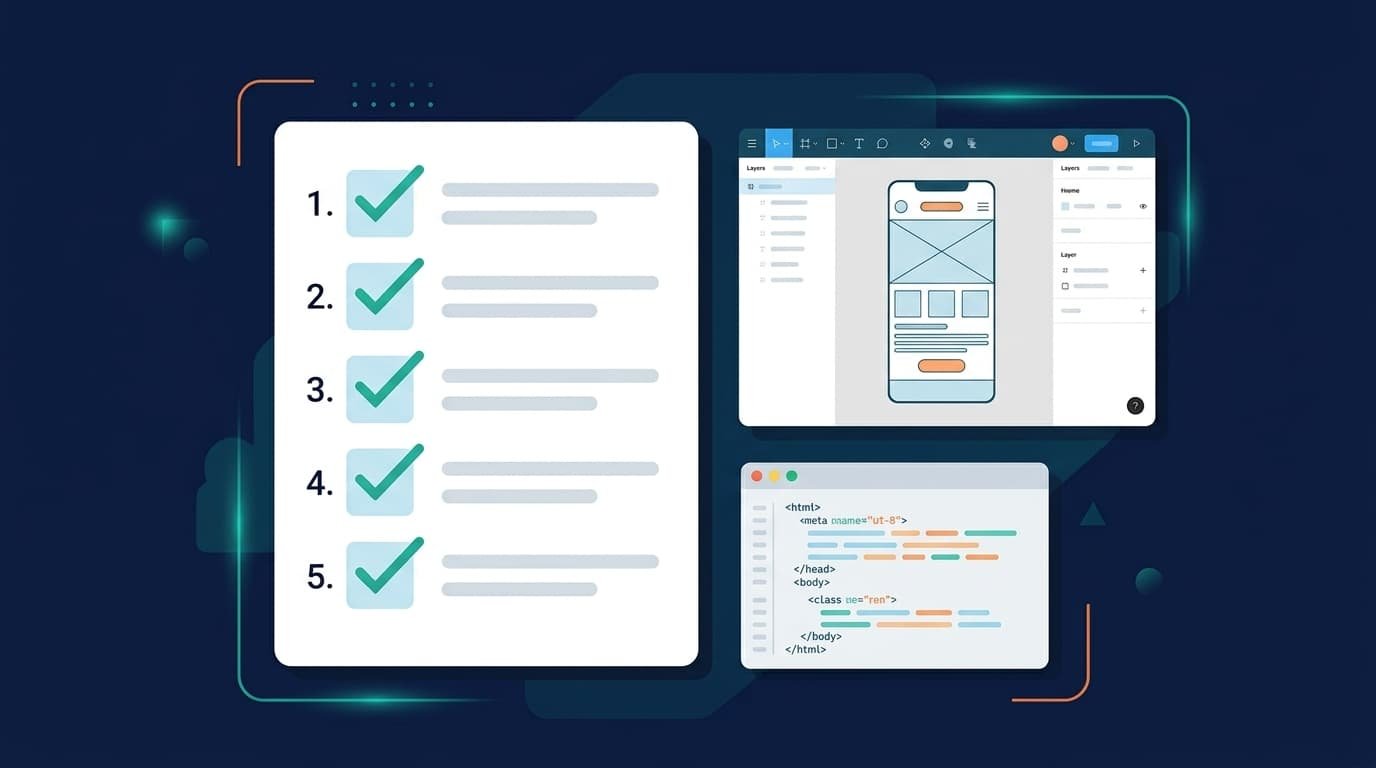
A Simple White Label Development Workflow
- The client signs an agreement with your agency.
- You send the project brief and Figma file to your development partner.
- The partner reviews the files and lists any questions or missing details.
- The partner builds the website on a staging site, with a progress check-in midway through the project.
- You review the website, request changes, and approve the final build.
- The website launches, and documentation is handed over to your client under your agency’s brand.
Common White Label Development Mistakes
- Choosing a partner based only on the lowest price.
- Skipping the paid test project.
- Sending unfinished designs or incomplete content.
- Giving feedback across several different communication channels.
- Starting development without a written scope of work.
Looking for a White Label WordPress Partner?
WPCodingLoft provides white label WordPress development services and white label Shopify development services for agencies that want to deliver websites under their own brand.
If you are considering a partnership, start with a small paid test project to evaluate development quality, communication, and workflow. Contact WPCodingLoft to discuss your project.
Frequently Asked Questions
Is White Label WordPress Development Legal and Ethical?
Yes, white label development is a common agency business model. Follow your client agreements, protect confidential information, and be transparent about using trusted development partners when required or when clients ask.
How Much Does White Label WordPress Development Cost?
The cost depends on project scope, location, complexity, and the development team’s experience. Request quotes from several partners and compare deliverables, revision policies, timelines, and support before choosing one.
Will My Client Know a Partner Built the Website?
In a typical white label arrangement, your agency remains the client’s primary point of contact, and the development partner works behind the scenes. Make sure this arrangement complies with your client agreement and any applicable disclosure requirements.
What Should I Send a White Label WordPress Developer?
Provide the project brief, design files with responsive breakpoints and component states, website content, brand fonts and assets, required integrations, and technical requirements. Include the timeline, scope, and acceptance criteria so the developer understands what successful delivery looks like.